
What is the Difference between a Psychic and a Clairvoyant?
Date 4/29/2026
I've been working in the spiritual wellness field for over two decades, and if there's one question I hear constantly, it's this: what is the difference between a psychic and a clairvoyant? Trust me, you're not alone in wondering about this. Most people use these terms interchangeably, but here's the thing, they're actually quite different. Think of it like comparing musicians to pianists. Every pianist is a musician, but not every musician plays the piano. The same principle applies here. Let me walk you through exactly what sets these two apart, and more importantly, how understanding this distinction can help you get the guidance you're truly seeking.
Understanding What a Psychic Actually Is
When I tell people I work with psychics, they often picture crystal balls and dark, mysterious rooms. The reality is far more practical and grounded. A psychic is someone who can access information beyond the five traditional senses. They tune into energies, feelings, and impressions that most people can't detect on their own.
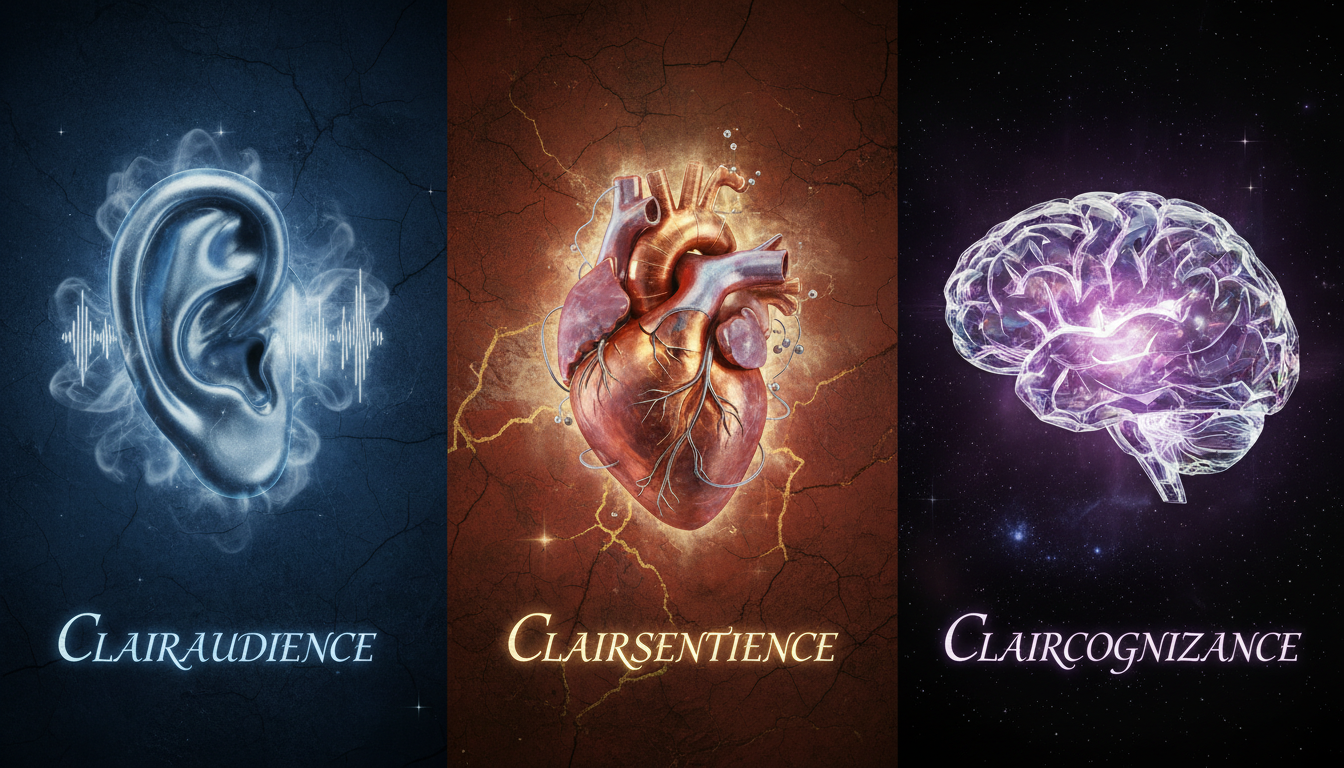
In my experience, psychics work through various channels. Some feel emotions intensely (that's called clairsentience). Others hear messages or voices (clairaudience). Some just know things without understanding how (claircognizance). What's really eye-opening is that different types of psychic mediums use completely different methods to access the same spiritual information.
Here's what I've noticed over the years: genuine psychics don't claim to know everything. They're more like spiritual interpreters, translating energy and intuitive hits into meaningful guidance. I worked with a client named Sarah last year who was torn between two job offers. The psychic she consulted didn't tell her which job to take. Instead, she sensed the energy around each opportunity and helped Sarah understand what each path might feel like emotionally and spiritually.
The umbrella term "psychic" covers a wide range of abilities. Think of it as a category that includes many specialized skills. Some psychics work with tarot cards or other divination tools. Others might connect with spirit guides or angels. The common thread is their ability to perceive information through extrasensory means.

What Makes a Clairvoyant Different
Now, let's talk about clairvoyants specifically. The word "clairvoyant" comes from French, meaning "clear seeing." This is where things get interesting. A clairvoyant is a type of psychic, but with one specific ability: they receive information through visual images, symbols, or visions.
When I explain this to people, I often use this analogy: if psychics are like radio receivers picking up different frequencies, clairvoyants are specifically tuned to the visual channel. They might see colors around people (auras), receive symbolic images, or experience full visions that play out like movies in their mind's eye.
I remember working with a clairvoyant named Michael who described his gift this way: "It's like having a second screen in my mind. While I'm looking at you with my physical eyes, I'm simultaneously seeing images, symbols, and sometimes entire scenes on this internal screen." What he saw wasn't random, either. The images always connected meaningfully to the person's situation or question.
The great news is that clairvoyance can manifest in different ways. Some clairvoyants see actual spirits or deceased loved ones. Others perceive symbolic imagery that needs interpretation. I've met clairvoyants who see past events replaying, and others who glimpse potential future scenarios. The visual component is what ties them all together.
How Clairvoyants Receive Their Visions
What that really means is that clairvoyants experience their psychic input differently than other intuitives. Most clairvoyants I've spoken with describe three main ways they receive visual information. First, there's mental imagery, where pictures appear in their mind's eye, similar to daydreaming but more vivid and purposeful. Second, some experience symbolic visions, where they see metaphorical images that represent concepts or situations. Third, and this is rarer, some clairvoyants have physical visions where they actually see apparitions or energy with their physical eyes open.
Here's another way to look at it: imagine you're trying to understand someone's health concerns. A clairsentient psychic might feel pain in their own body corresponding to where the client has issues. A clairaudient might hear words or messages about the health situation. But a clairvoyant? They'd likely see images, maybe of the affected body part, or symbolic representations like darkness in certain areas.
Breaking Down the Core Differences
So when someone asks me what is the difference between a psychic and a clairvoyant, here's what I tell them: it's about specialization versus generalization. Every clairvoyant is psychic, but not every psychic is clairvoyant. Let me break this down further because understanding these distinctions can really help you choose the right reader for your needs.
Psychics, in the broader sense, might use any combination of intuitive abilities. They could be empathic, feeling your emotions. They might use divination tools like tarot cards, runes, or pendulums. Some psychics work primarily through claircognizance, where information just drops into their awareness as complete knowledge. The methods vary widely, but they're all accessing information beyond normal perception.
Clairvoyants, on the other hand, are specialists in visual reception. They're the ones who are most likely to describe what they're "seeing" during a reading. They might tell you about the colors in your aura, describe a vision they're having of your future, or see symbols that relate to your situation. This is the part I love: their readings often have a very descriptive, visual quality that can be incredibly detailed and specific.
I find this fascinating because it affects how they communicate their insights. A clairvoyant might say, "I'm seeing you in a large building with lots of windows, signing papers at a desk." A non-visual psychic might simply feel strongly that you'll be making an important business decision soon. Same basic information, completely different delivery methods.
Which Abilities Work Best for Different Situations
Think about it this way: if you're dealing with a question that benefits from detailed description, like "What does my future home look like?" or "Can you see who's around me in spirit?", a clairvoyant's visual abilities might serve you better. They can literally describe what they're seeing. By the way, this doesn't mean other psychics can't help with these questions. They just might access the information differently.
For emotional matters, relationship dynamics, or questions about how something will feel, you might connect better with a clairsentient psychic who specializes in emotional energy. When you need straightforward yes/no answers or want to understand the "why" behind situations, a claircognizant psychic who works through direct knowing might be your best bet.
Common Misconceptions I Keep Hearing
Here's the thing: there's so much confusion around these terms that I feel compelled to clear up some myths. The biggest misconception? That clairvoyants are somehow "more powerful" or "more gifted" than other psychics. This simply isn't true. It's like saying violinists are more talented than drummers. They're different instruments, not different skill levels.
Another myth I encounter constantly is that all psychics can see the future clearly, like watching a predetermined movie. In reality, most reputable psychics, whether clairvoyant or not, see potential outcomes based on current energy and choices. The future isn't set in stone, which is actually a good sign because it means you have free will to shape your path.
I also hear people say, "Real psychics don't need tools, they just see everything." This misunderstands how intuitive work actually functions. Many gifted clairvoyants use tools like crystal balls or scrying mirrors not because they lack ability, but because these tools help them focus their vision and enter the right state of consciousness. It's like using a telescope, it doesn't mean your eyes don't work, it just helps you see more clearly.
What I've noticed lately is that people expect every psychic to work like a clairvoyant, describing visual details. When they consult a psychic who works through feeling or knowing instead, they sometimes think that person is less legitimate. This couldn't be further from the truth. Different abilities serve different purposes, and none is inherently superior.
How to Know Which Type You Need
This is where things get practical. When clients ask me which type of reader they should consult, I walk them through a simple process. First, consider what kind of information you're seeking. Are you looking for visual descriptions? Do you want to know what your deceased grandmother looks like in spirit? Do you need to "see" your future partner? If yes, a clairvoyant makes sense.
But if you're more interested in understanding emotional dynamics, getting clarity on decisions, or knowing the deeper meaning behind your experiences, any skilled psychic with strong intuitive abilities will serve you well. The delivery method matters less than the accuracy and relevance of the information.
In 2025, we're seeing more psychics clearly identify their primary intuitive channel, which makes choosing easier. Many readers now specify whether they're primarily clairvoyant, clairsentient, clairaudient, or work through multiple channels. Before booking a reading, I recommend asking how the psychic receives their information. This helps you know what to expect.
Questions to Ask Before Your Reading
Here's what I tell people to ask: "What's your primary intuitive ability?" and "How do you typically receive information during readings?" A clairvoyant will likely mention seeing images, visions, or symbols. Other psychics might describe feeling, hearing, or just knowing. There's no wrong answer here, just different approaches.
You can also ask, "What types of questions do you answer best?" Some psychics excel at relationship readings, others at career guidance or spiritual development. This is actually a good sign because specialists often provide deeper insights in their areas of strength than generalists.
I know that sounds intense, but here's why it matters: understanding what is the difference between a psychic and a clairvoyant helps you set appropriate expectations. If you're working with someone who primarily feels energy, don't expect them to describe visual details they're not receiving. Instead, appreciate the emotional depth and energetic accuracy they bring.
Can Someone Be Both?
Absolutely, and this is where it gets exciting. Many experienced psychics develop multiple intuitive channels over time. I've worked with readers who started out purely clairvoyant but gradually developed clairaudience and clairsentience as well. Think of it like learning multiple languages, the more you practice, the more fluent you become in different forms of intuitive communication.
What's really eye-opening is how these abilities can work together. I consulted with a psychic named Elena once who described her process this way: "First, I see an image (clairvoyance), then I feel the emotions connected to it (clairsentience), and finally I hear words or phrases that explain the meaning (clairaudience)." This multi-channel approach gave her readings incredible depth and accuracy.
Put simply, while we categorize psychic abilities for easier understanding, many gifted intuitives flow between different channels naturally. They might lead with clairvoyance but supplement with other senses as needed. This doesn't make them less of a clairvoyant, it just means they've expanded their toolkit.
Developing Your Own Abilities
These days, I'm seeing more people wondering if they might have psychic or clairvoyant abilities themselves. The truth is, most people have some degree of intuitive capacity. Whether you're naturally more clairvoyant or lean toward other psychic senses often becomes clear with practice and attention.
Here's what I've found: people who are naturally visual thinkers often have latent clairvoyant abilities. If you daydream vividly, visualize easily, or have particularly memorable dreams, you might have clairvoyant potential. People who are highly empathic or pick up on others' emotions easily often have clairsentient leanings. Those who get random insights or just "know" things without explanation might be naturally claircognizant.
More recently, I've been teaching workshops on developing intuitive abilities, and participants always ask how to know their natural channel. I suggest this exercise: think back to a time when you had a strong intuitive hit that proved accurate. How did the information come to you? Did you see something in your mind? Feel it in your body? Hear words? Just know it? Your answer reveals your dominant intuitive sense.
Simple Exercises to Explore Your Abilities
If you suspect you might have clairvoyant tendencies, try this: before answering your phone, close your eyes and try to "see" who's calling. Don't force it, just notice if any images, colors, or visual impressions arise. Keep a journal of your hits and misses. You're not alone in this, thousands of people are exploring their intuitive gifts right now.
For general psychic development, meditation is essential. It quiets the mental chatter that often drowns out subtle intuitive signals. I recommend starting with just ten minutes daily. As you meditate, notice whether you naturally see images (clairvoyance), feel sensations (clairsentience), hear sounds or words (clairaudience), or simply know things (claircognizance). Your natural channel will likely emerge.
Why the Distinction Actually Matters
You might wonder why I'm spending so much time explaining what is the difference between a psychic and a clairvoyant. Here's why it's important: understanding these distinctions helps you become a more informed consumer of psychic services and a better student if you're developing your own abilities.
When you know that clairvoyants specialize in visual information, you won't expect them to necessarily feel your emotions or hear spirit messages (though many can). Similarly, when you understand that psychic abilities come in many forms, you won't dismiss a gifted intuitive just because they don't work the way you expected.
I find this fascinating because it mirrors how we understand other professional specializations. You wouldn't go to a dermatologist for heart surgery, even though both are doctors. The same logic applies here. Different intuitive specialties serve different needs, and knowing which is which helps you get the most relevant guidance.
What that really means is respecting the diversity of psychic gifts rather than expecting every intuitive to work the same way. Some of the most accurate readings I've witnessed came from psychics who didn't use any visual component at all. They worked purely through feeling and knowing, yet their insights were remarkably precise.
Red Flags and Green Lights in Psychic Services
Whether you're seeking a psychic or specifically a clairvoyant, certain quality indicators remain constant. Legitimate intuitives, regardless of their primary channel, should never pressure you to purchase additional services or claim they can remove curses for money. These are major red flags that signal fraud, not genuine ability.
Green lights include psychics who are specific about their abilities and limitations, who empower rather than create dependency, and who provide verifiable information during readings. I've noticed that authentic clairvoyants often describe what they're seeing in detail, allowing you to verify whether the images resonate with your situation.
Trust me, genuine psychics of all types understand that their role is to guide and illuminate, not to control or frighten. If someone tells you you're cursed, that only they can help you, or demands large sums of money for spiritual work, walk away immediately. These tactics have nothing to do with real psychic ability, whether clairvoyant or otherwise.
Real-World Applications and Success Stories
Let me share a story that illustrates why understanding what is the difference between a psychic and a clairvoyant can change outcomes. A friend named Marcus was trying to connect with his late father. He initially consulted a highly empathic psychic who could feel his father's presence and emotions beautifully, conveying love and peace. While comforting, Marcus wanted more.
When he switched to a clairvoyant medium, she described specific visual details: "I'm seeing a man with a distinctive scar on his left hand, wearing a blue work shirt, holding what looks like carpentry tools." Marcus broke down crying. His father had been a carpenter, always wore blue work shirts, and had a prominent scar from a table saw accident. That visual specificity gave him the proof he needed.
Neither psychic was "better," they just worked through different channels. The empathic psychic provided emotional healing, while the clairvoyant provided evidential details. Understanding this helped Marcus get exactly what he needed from each session.
Business and Career Guidance Differences
In everyday terms, these differences show up in practical readings too. When clients come for career guidance, clairvoyants might describe the physical environment of a future workplace, see images of the client in different professional scenarios, or visualize symbols representing career paths. Other psychics might tune into the energy of different opportunities, feel which direction holds excitement versus dread, or simply know which choice aligns with the client's highest good.
Here's where things get interesting: I've watched clients respond differently based on how information is delivered. Visual people often connect more deeply with clairvoyant descriptions, while feeling-oriented people resonate more with emotional and energetic assessments. Knowing your own processing style helps you choose the psychic whose communication method matches your receptivity.
Questions I Get Asked Most
Can a psychic become a clairvoyant or vice versa?
Yes, psychic abilities can develop and expand over time. Someone who starts with clairvoyant gifts might develop clairsentience or clairaudience through practice and spiritual development. Similarly, a psychic working primarily through feeling or knowing might strengthen their visual abilities through meditation and focused practice. Think of it like a musician learning additional instruments. The key is that all clairvoyants are psychics by definition, since clairvoyance is a specific type of psychic ability, but psychics can certainly develop their clairvoyant channel if it's not their natural strength.
Is clairvoyance more accurate than other psychic abilities?
No, accuracy isn't determined by which psychic sense someone uses, but rather by the skill, experience, and integrity of the practitioner. I've witnessed incredibly accurate readings from clairsentient psychics who work purely through feeling, and I've seen clairvoyants provide stunning visual detail. The communication method differs, but precision depends on how well the psychic interprets the information they receive, regardless of the channel. What matters most is finding a psychic whose communication style resonates with you and whose track record demonstrates reliability.
How do I know if I should see a clairvoyant specifically?
Choose a clairvoyant when you need visual descriptions or want to "see" aspects of your situation, such as what a future partner looks like, details about a location, or visual confirmation of spirit presence. If you're highly visual yourself and connect best with descriptive, image-based information, clairvoyants might resonate more deeply with you. However, for emotional guidance, energy reading, or understanding relationship dynamics, any skilled psychic with strong intuitive abilities can help. Consider what type of information you seek and how you personally process information best when making your choice.
Do clairvoyants actually see spirits with their physical eyes?
Most clairvoyants see spirits through their mind's eye or third eye, experiencing internal visions rather than physical sightings. This is called subjective clairvoyance and is far more common. However, some clairvoyants do experience objective clairvoyance, where they perceive spirits or energy with their physical eyes open, similar to seeing a living person. This rarer form often appears as transparent figures, shadows, or light formations. Both forms are legitimate expressions of clairvoyant ability, just operating through different mechanisms of perception.
Can psychic abilities be scientifically proven?
Scientific study of psychic phenomena remains controversial and complex. While some research studies have shown statistically significant results suggesting abilities beyond chance, mainstream science hasn't universally accepted psychic phenomena as proven. What I've found is that personal experience often provides the most convincing evidence. When a psychic provides specific, verifiable information they couldn't have known through normal means, that creates powerful individual proof. The debate continues in scientific circles, but thousands of people report meaningful, accurate experiences with both psychics and clairvoyants that have positively impacted their lives, regardless of what laboratory studies conclude.
Bottom Line
Understanding what is the difference between a psychic and a clairvoyant empowers you to make better choices about spiritual guidance and your own intuitive development. Remember, clairvoyants are psychics with specialized visual abilities, while psychics encompass all forms of extrasensory perception. Neither is superior, they're simply different channels for accessing intuitive information. What matters most isn't which type of psychic you consult, but rather finding someone whose communication style resonates with you and whose abilities match your specific needs. Whether you're seeking guidance, exploring your own gifts, or simply satisfying curiosity, knowing these distinctions helps you navigate the intuitive world with confidence and clarity. Trust your instincts about which approach feels right for you, because that gut feeling is itself a form of psychic knowing guiding you toward exactly what you need.
